
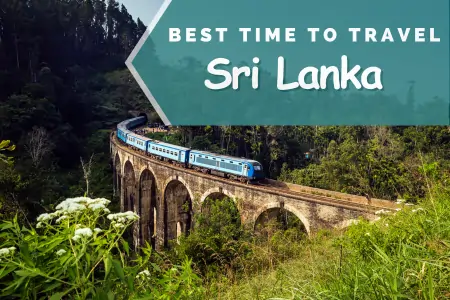



Are you planning a trip to Sri Lanka? Choosing the best season to visit Sri Lanka can enhance your experience. Sri Lanka, an island in the Indian Ocean, offers a tropical paradise for travelers. The climate of Sri Lanka varies across regions from its golden beaches to misty hill country and vibrant cities. The blog will guide you to choose the best time to visit Sri Lanka from India and plan your holidays accordingly.
Best months to visit Sri Lanka
Following is a quarterly classification of the best months to visit Sri Lanka. It will help you in choosing the perfect months according to your preferences.
January to March
This period falls during the island’s peak travel season. Sri Lanka is at its finest, offering sunny skies, warm temperatures and ideal conditions. It is a great time for sightseeing and outdoor adventures. You can also chase cultural experiences, beach relaxation or wildlife safaris in famous parks.
- Weather conditions: Sri Lanka enjoys some of its pleasant weather during these months. The western and southern coasts, as well as the central hill country, experience dry days with minimal rainfall. Temperatures in the lowland hover between 27 degree C to 32 degrees C. Contrary, the hill regions offer cooler and refreshing air.
- Major events & festivals:
- Duruthu Perahera (January): This festival is held in kelaniya near Colombo. The vibrant procession marks Lord Buddha’s first visit to Sri Lanka. It features dancers, drummers, and decorated elephants.
- Thai Pongal (Mid- January): A Tamil harvest festival celebrated mainly in the north and east. Tourists enjoy traditional food, rituals and cultural performances.
- Maha Shivratri (February/ March): It is a sacred Hindu festival honouring Lord Shiva. This festival is observed with all- night vigils, prayers, and temple ceremonies.
- Pros & cons: These months are ideal for beach lover tourists. It avoids the heavy monsoon rains that affect the southwest during other months. However, the northeast monsoon can bring occasional showers. You might experience less predictable weather. Also, the high season attracts a surge of tourists. It may lead to busier beaches and high accommodation prices.
April to June
Visiting Sri Lanka during these months provides tourists a unique blend of experiences. This shoulder season offers a mix of cultural exploration and natural beauty. However, you should be prepared for occasional showers along the south and west coasts.
- Weather conditions: April marks the end of the dry season in the southwest and the beginning of the hot weather. May and June bring the onset of the monsoon season, especially affecting the western and southern coastal regions. However, the eastern and northern parts of Sri Lanka remain dry and sunny during this time.
- Major events & festivals:
- Sinhala and Tamil New Year: Celebrated in Mid- April, it marks the astrological new- year. Tourists enjoy national celebrations with traditional games, rituals, and feasting.
- Vesak Festival (May): A significant Buddhist holiday commemorating the enlightenment, birth and death of Buddha. It is celebrated with illuminated lanterns, pandals, and charitable acts across the island.
- Katharagama Festival (Late June): A multi- religious pilgrimage to the sacred town of Katharagama. It features colourful processions, traditional music, and fire- walking rituals.
- Pros & cons: This season sees fewer crowds which provides a more relaxed and authentic experience at popular sites. Accommodation and flight prices also tend to be more affordable. It is an attractive option for budget- friendly travellers. The onset of the southwester monsoon brings heavy rain and rough seas. It limits beach activities and water sports.
July to September
These months can be a rewarding memory for tourists especially looking to explore the east and north regions. Beach lovers, surfers, and snorkelling enthusiasts can enjoy in the east coast destinations. July brings cultural vibes and centuries- old rituals.
- Weather conditions: From July to September, the south-western part of the island sees frequent rain showers and rough seas. However, the eastern and northern regions enjoy plenty of sunshine and calm waters. The central hill country remains cooler and misty. This period is best for exploring the eastern coast and cultural sites.
- Major events & festivals:
- Elasa Perahera (Kandy): It is a grand cultural and religious procession held in the honor of the Sacred Tooth Relic of the Buddha. This festival features traditional dancers, drummers, fire performances and ornately decorated elephants.
- Vel Festival (Colombo): A Hindu festival where a silver- plated chariot carrying the god Skanda is paraded through the streets. Tourists can experience music, dances and devotees in traditional attire.
- Nallur Festival: It is a 25- day Tamil Hindu festival at the Nallur Kandaswamy Kovil. This festival showcases colourful rituals and cultural performances, drawing thousands of visitors.
- Pros & cons: As the weather is pleasant on the east coast, it is perfect for beach holidays. This period will also provide tourists a unique cultural immersion. The south- western coasts and hill country areas may have rain which could limit your hiking experience. Additionally, occasional flooding in some parts of the island could impact transportation and sightseeing.
October to December
For tourists, who want to explore the island’s natural beauty, October to December offers the best experience. The northern and eastern parts begin to shine with pleasant weather and fewer crowds. This period is also perfect for exploring the ancient cities.
- Weather conditions: You will experience a mix of weather conditions due to the north-eastern monsoon. During this time, the northern and eastern regions of the country receive the most rainfall. However, the southern and western coasts start to see drier and more pleasant weather. Central highland regions may experience occasional showers but remain cool and scenic.
- Major events & festivals:
- Deepavali: Also known as Diwali. Tourists celebrate this festival with oil lamps, sweets and fireworks. It is especially celebrated in the Northern and Eastern provinces.
- Christmas: This festival is celebrated nationwide on December 25. You can enjoy Christmas decorations, church services and markets, especially in Colombo and Negombo.
- Adam’s Peak Pilgrimage Season: Begins in December, it marks the start of the pilgrimage season to Sri Lanka’s sacred mountains. It attracts both locals and tourists for a spiritual hike under starlight.
- Pros & cons: This period marks the shoulder season. You will see fewer crowds at popular tourist sites. Hotel rates and tour packages are often more affordable. However, the Maha monsoon can bring heavy rainfall. This could lead to disrupted travel plans, waterlogged roads, and limited outdoor activities. Wildlife viewing in national parks can also be affected due to muddy conditions.
Best time to travel Sri Lanka as per interest
- For beach lovers (South & West Coasts): Visit between December to March. Enjoy summer weather and calm seas in places like Bentota, Mirissa and Hikkaduwa.
- For cultural & Historical Exploration: The best months are from January to April. You will see pleasant weather for sightseeing ancient ruins, temples and UNESCO sites.
- For Hill Counties Visit: February to April are the perfect months. The Island offers perfect conditions for tea plantation tours and scenic train rides.
- For budget travellers: May to June and September to November. The off- peak season offers lower prices on accommodation and flights.

Leave a Reply