
Court marriage is legal way for couples to marry under Special Marriage Act, 1954, without any religious ceremony. It suits simple weddings, inter-caste or interfaith marriages, and cases where one partner is foreign national. Process makes marriage official and valid in eyes of law. In this blog, we will discuss everything from eligibility conditions, documents required and how to apply for court marriage certificate. You’ll also learn about the online court marriage procedure
Court Marriage
Court marriage is a legal way for two people to get married without following any traditional rituals or religious ceremonies. It can happen between man and woman of any caste, religion, or even nationality. For example, Indian can also marry foreigner through court marriage.
You don’t need big wedding or priest. Instead, both partners need to visit the Marriage Registrar and follow the official process. After that, you will get court marriage certificate as legal proof of your marriage.
Who should consider court marriage
Court marriage is a good option if:
- You want simple, low-cost wedding without rituals
- You and your partner follow different religions or castes
- Family does not support marriage
- You want marriage that is legally valid across India
- One partner is foreigner or lives abroad
Anyone who wants to apply for court marriage in safe, legal way can go for this option.
Legal Recognition: Special Marriage Act, 1954
Court marriages in India happen under the Special Marriage Act, 1954. Wedding can take place between any two people, whether from same or different religions. This law protects your rights and ensures that your marriage is valid in eyes of law.
Once court marriage registration is complete, you’ll receive official certificate that is accepted for legal work, like applying for visa, opening joint bank account, or changing your name.
Eligibility condition for court marriage
Before you start your court marriage application, make sure you and your partner meet the basic rules. These are the court marriage eligibility conditions under the Special Marriage Act, 1954.
No existing marriage – Both people should be unmarried, or legally divorced, or widowed. If either of you is already married to someone else, you cannot apply.
Age limit – Groom must be at least 21 years old, bride must be at least 18 years old (This is the official court marriage age limit in India.)
Mental fitness – Both partners should be mentally sound, able to give valid consent and not suffering from serious mental illness or repeated mental breakdowns
Not closely related – Couple should not be related to each other in a way that is legally banned. This is called prohibited relationship (like brother-sister or uncle-niece).
Exceptions to eligibility conditions for court marriage
- Even if the couple is within degrees of prohibited relationship, they can get married if their custom allows them to do so.
- This exception will apply even when the customs of only one of the parties allow such marriage.
- Another exception is the citizenship rule for court marriages in Jammu & Kashmir. If the marriage is taking place in the state of J & K, then both parties must be citizens of India. Moreover, both parties should have domicile in a state to which this act applies. This means that foreign nationals cannot get married in Jammu & Kashmir under this Act.
- There is another condition for foreigners. They must live in India for at least 30 days before the marriage. They can get proof of residence from their local police station.
Court marriage procedure
Here is court marriage procedure:
- File notice of intended marriage in prescribed form with Marriage Registrar in district where at least one person has lived for at least 30 days before giving notice.
- Registrar publishes notice to invite objections, if any.
- After 30 days from publication, marriage can be completed if no objection is raised.
- Marriage can be completed at Marriage Office.
- Both persons and three witnesses must be present on day of registration or solemnization
Documents required for court marriage
Here are list of documents required for court marriage:
- Application form in prescribed format with required fee
- Passport-size photos of both persons
- Address proof of both persons
- Date of birth proof of both persons
- Address proof and PAN card of three witnesses
- Death certificate or divorce decree, if there was any previous marriage
Court marriage of an Indian and a foreign national
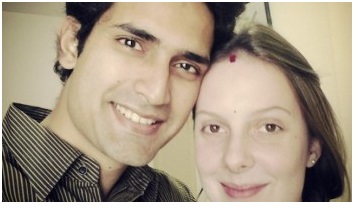
A marriage between parties one of whom at least is a citizen of India may be solemnized under the Special Marriage Act, in India before a Marriage Registrar in India or a Marriage Officer in a foreign country.
Eligibility criteria for court marriage
Here are eligibility criteria for court marriage:
- At least one of the parties should be an Indian citizen.
- The bridegroom must be 21 years of age; the bride must be 18 years of age.
- Neither party has a spouse living,
- Neither party is an idiot or a lunatic,
- The parties are not within the degrees of prohibited relationship
- Each party involved should not have any other subsisting valid marriage.
Documents required for court marriage
- Application form duly signed by both the parties.
- Documentary evidence of the date of birth of parties.
- Copy of Passport of both the parties with valid Visa.
- Residential Proof of both the parties.
- Documentary evidence regarding a stay at district in India of one of the parties for more than 30 days (Proof of stay or report from the concerned SHO).
- N.O.C. or Marital Status certificate from the concerned Embassy or Consulate in India by a foreigner partner.
- Death certificate or divorce decrees whichever is applicable, in case one of the parties had any marriages in the past.
Procedure:
- You give written notice in prescribed form to Marriage Officer in district where at least one of you has lived for at least 30 days before giving notice. Notice must confirm this stay.
- All documents are checked at Marriage Registrar office.
- Laws of other countries must not conflict with Indian law.
- Notice is published so anyone can raise objection.
- If no one objects, you can marry after notice period ends.
- Marriage must take place in presence of at least three witnesses.
- Marriage Registrar then records and gives you marriage certificate.
Degree of prohibited relationship
When you apply for court marriage, you and your partner should not be closely related by blood or family. This is called prohibited relationship under Special Marriage Act, 1954. If you fall in this category, you cannot marry legally unless your religion or custom allows it.
What is a prohibited relationship
A prohibited relationship means that the law does not allow a marriage between certain family members, like your close blood relatives or those related through marriage.
Part I – Woman cannot marry these male relatives:
- Father, grandfather, or great-grandfather
- Son, grandson, or great-grandson
- Brother, brother’s son, or sister’s son
- Uncle (mother’s or father’s brother)
- Daughter’s husband or son’s grandson
- Stepfather or mother’s husband
Part II – A man cannot marry these female relatives:
- Mother, grandmother, or great-grandmother
- Daughter, granddaughter, or great-granddaughter
- Sister, sister’s daughter, or brother’s daughter
- Aunt (mother’s or father’s sister)
- Son’s wife or daughter’s granddaughter
- Stepmother or father’s widow
Exception to the Rule
If your custom or religion allows marriage between relatives listed above, then you can still apply for court marriage, but you may need to show proof of custom. Even if only one partner’s custom permits it, the exception will still apply. This rule exists to:
- Avoid health risks due to close blood relationships
- Keep marriage legally and socially acceptable
- Prevent misuse or forced marriages within family
Before you fill out your court marriage application, make sure your relationship is not listed in the prohibited degrees, unless your custom clearly allows such marriage.
Conclusion:
- Court marriage is simple process it saves our money and time.
- It has no expenses and it is safe and secure and legal of course.
- Also it saves food who are ruined in marriages .
- You can distribute food with those money you save doing court marriage.
- Through court marriage you contribute to the cleanliness of the country.
FAQs
What is the difference between court marriage and civil marriage?
Court marriage happens at Registrar office under Special Marriage Act, with no rituals and strict legal process like 30-day notice. Civil marriage can happen at approved place and may follow different laws based on religion, sometimes with simple ceremony. Both are legal and give valid marriage certificate, but process and setup are slightly different.
What is done in court marriage?
In court marriage, you follow a legal process instead of religious rituals. You submit notice, wait 30 days, and then both partners sign in front of Registrar with witnesses. After that, you get marriage certificate as legal proof. It is simple and official process without ceremony.

You can book order online. For any query or concern please speak to one of our relationship manager over phone or chat. You can also write to us. We will get back to you.


Leave a Reply